Call: 08071792371
 Send Inquiry
 Send Inquiry
Nickel Sulphate NiSO4.6H2O
Price 640 INR/ Kilograms
MOQ : 500 Kilograms
Nickel Sulphate NiSO4.6H2O Specification
- Shape
- Irregular
- Refractive Rate
- yes
- Ingredients
- powder
- Melting Point
- yes
- Taste
- Odorless
- Molecular Weight
- 50 Kilograms (kg)
- Application
- Industrial
- Ph Level
- 100
- Product Type
- powder
- Solubility
- yes
- Purity
- 99.5
- Usage
- Uses of Nickel Sulfate Nickel Sulfate is widely used As the electrolyte for surface finishing processes of metals such as metal plating and electrorefining. In the preparations of many Nickel catalysts and compounds. As a reducing agent for flashing on steel surfaces, imparting Nickel coating from the surface. For blackening Brass and Zinc. As a mordant in dyeing and printing metals, textiles and ceramics. As a coating for many metals. In the production of driers that are used in protective shields. They are occasionally used as calibrants to measure magnetic susceptibility. Nickel sulfate is used as an electrolyte in metal surface finishing operations like plating and electrorefining. Nickel sulfate is also used as a protective layer for a variety of metals. Different types of Nickel catalysts and compounds are made by this process. Brass and zinc can be blackened with Nickel sulfate. Various Metals, fabrics, and pottery are dyed and printed with Nickel sulfate as a mordant. Nickel sulfate is used as a flashing reducer on steel surfaces, providing a nickel covering to the surface. Effects of NiSO4 on Human Health Nickel Sulfate can be assimilated into the human body by inhalation or ingestion. Once it is absorbed in the body, it concentrates in the lungs, gut, kidneys and liver. Exposure to NiSO4 causes :
- Shelf Life
- yes Week
- Smell
- Sharp
- Density
- 100% Kilogram per cubic meter (kg/m3)
- HS Code
- 104
- Molecular Formula
- Nickel Sulfate is a yellow solid when it is anhydrous, Nickel Sulfate is a green-blue crysta
- Properties
- yes
- Poisonous
- YES
- Storage
- Hot Case
- Grade
- l r grade
- CAS No
- yes
- Structural Formula
- Effects of Nickel Sulfate Effects of Nickel Sulfate Include: Nickel sulfate can be incorporated into the human body by inhaling or ingesting it. Nickel sulfate concentrates in the lungs, intestines, kidneys, and liver once it is taken into the body. Nickel sulfate causes poisoning by being exposed to it. Nickel Sulfate causes Chronic obstructive pulmonary disease, Dyspnoea, Mild cyanosis, Chronic urticaria, Dermatitis. Nickel Sulfate also causes Irritation of the skin, giddiness, lassitude, headache, myalgia, abdominal pain, nausea, vomiting, diarrhoea, hemorrhagic gastritis, transient hyperbilirubinemia, and albuminuria are some of the gastrointestinal side effects.
- EINECS No
- crystal
- Appearance
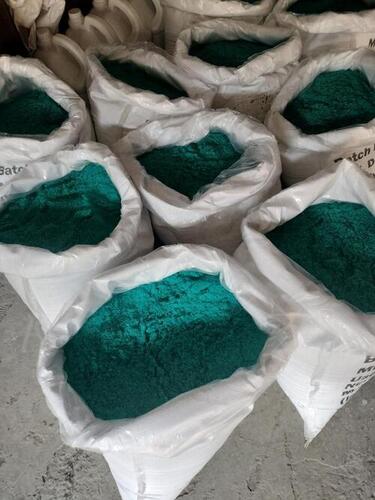
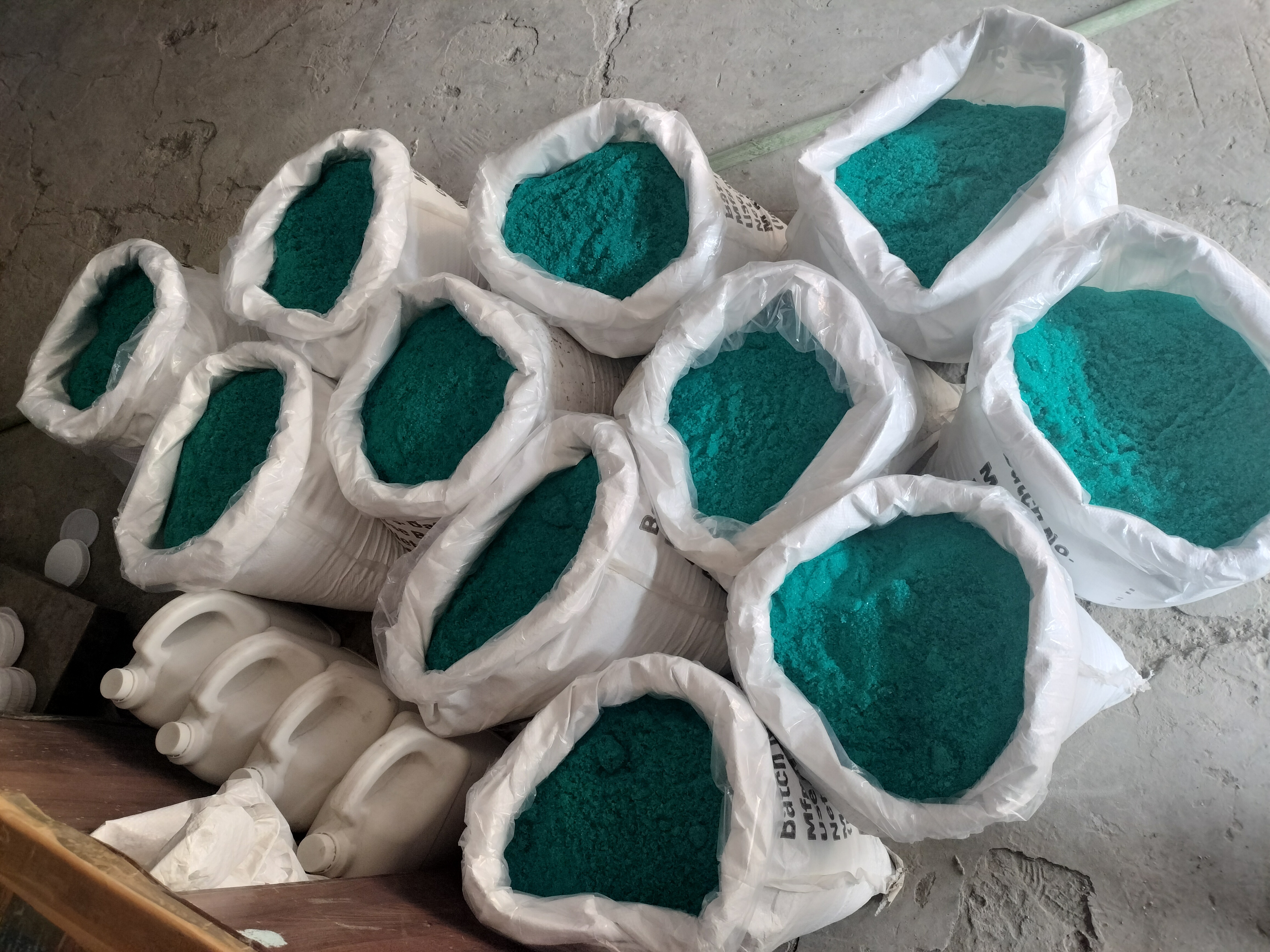
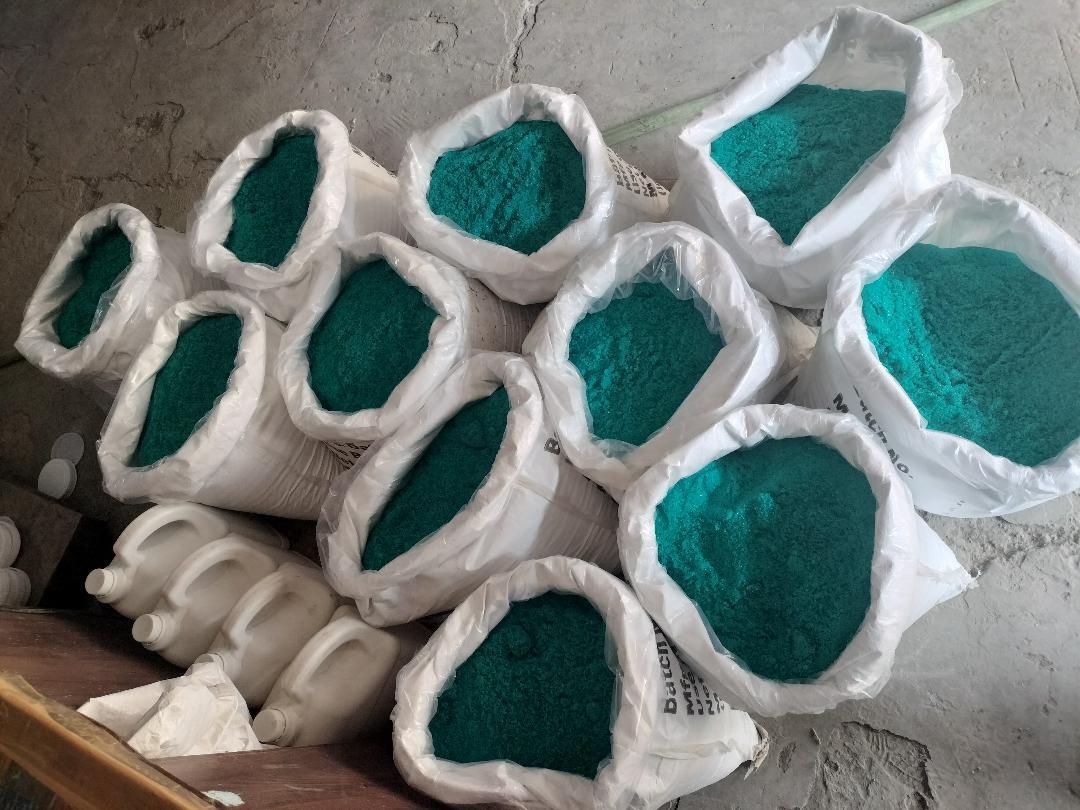
- green crystal
- Physical Form
- Granule
Nickel Sulphate NiSO4.6H2O Trade Information
- Minimum Order Quantity
- 500 Kilograms
- FOB Port
- PUNE
- Payment Terms
- Cash Against Delivery (CAD), Cash on Delivery (COD), Delivery Point (DP), Letter of Credit at Sight (Sight L/C), Cash Advance (CA)
- Delivery Time
- 5 Week
- Sample Policy
- Free samples available with shipping and taxes paid by the buyer
- Packaging Details
- 50 kg
- Main Export Market(s)
- South America
- Main Domestic Market
- Tripura
- Certifications
- ELECTROPLATING GRADE ALSO APPROVED FOR LR GRADE CHEMICALS FOR REASEARCHA AND DEVELOPMENT PURPOSE.
Nickel Sulphate NiSO4.6H2O About
Nickel Sulfate is widely used
-
As the electrolyte for surface finishing processes of metals such as metal plating and electrorefining.
-
In the preparations of many Nickel catalysts and compounds.
-
As a reducing agent for flashing on steel surfaces, imparting Nickel coating from the surface.
-
For blackening Brass and Zinc.
-
As a mordant in dyeing and printing metals, textiles and ceramics.
-
As a coating for many metals.
-
In the production of driers that are used in protective shields.
-
They are occasionally used as calibrants to measure magnetic susceptibility.
-
Nickel sulfate is used as an electrolyte in metal surface finishing operations like plating and electrorefining.
-
Nickel sulfate is also used as a protective layer for a variety of metals.
-
Different types of Nickel catalysts and compounds are made by this process.
-
Brass and zinc can be blackened with Nickel sulfate.
-
Various Metals, fabrics, and pottery are dyed and printed with Nickel sulfate as a mordant.
-
Nickel sulfate is used as a flashing reducer on steel surfaces, providing a nickel covering to the surface.
Effects of NiSO4Nickel Sulfate can be assimilated into the human body by inhalation or ingestion. Once it is absorbed in the body, it concentrates in the lungs, gut, kidneys and liver. Exposure to NiSO4Skin irritations
-
Giddiness
-
Lassitude
-
Headache
-
Myalgia
-
Gastrointestinal effects such as abdominal pain, nausea, vomiting, diarrhoea
-
Hemorrhagic gastritis
-
Transient hyperbilirubinemia and albuminuria
-
Bronchial asthma
-
Dyspnoea
-
Mild cyanosis
-
Chronic obstructive airways syndrome
-
Chronic urticaria
-
Dermatitis
Effects of Nickel Sulfate
Effects of Nickel Sulfate Include: Nickel sulfate can be incorporated into the human body by inhaling or ingesting it. Nickel sulfate concentrates in the lungs, intestines, kidneys, and liver once it is taken into the body. Nickel sulfate causes poisoning by being exposed to it. Nickel Sulfate causes Chronic obstructive pulmonary disease, Dyspnoea, Mild cyanosis, Chronic urticaria, Dermatitis. Nickel Sulfate also causes Irritation of the skin, giddiness, lassitude, headache, myalgia, abdominal pain, nausea, vomiting, diarrhoea, hemorrhagic gastritis, transient hyperbilirubinemia, and albuminuria are some of the gastrointestinal side effects.
Uses of Nickel Sulfate
Nickel Sulfate is widely used
-
As the electrolyte for surface finishing processes of metals such as metal plating and electrorefining.
-
In the preparations of many Nickel catalysts and compounds.
-
As a reducing agent for flashing on steel surfaces, imparting Nickel coating from the surface.
-
For blackening Brass and Zinc.
-
As a mordant in dyeing and printing metals, textiles and ceramics.
-
As a coating for many metals.
-
In the production of driers that are used in protective shields.
-
They are occasionally used as calibrants to measure magnetic susceptibility.
-
Nickel sulfate is used as an electrolyte in metal surface finishing operations like plating and electrorefining.
-
Nickel sulfate is also used as a protective layer for a variety of metals.
-
Different types of Nickel catalysts and compounds are made by this process.
-
Brass and zinc can be blackened with Nickel sulfate.
-
Various Metals, fabrics, and pottery are dyed and printed with Nickel sulfate as a mordant.
-
Nickel sulfate is used as a flashing reducer on steel surfaces, providing a nickel covering to the surface.
Effects of NiSO4Nickel Sulfate can be assimilated into the human body by inhalation or ingestion. Once it is absorbed in the body, it concentrates in the lungs, gut, kidneys and liver. Exposure to NiSO4Skin irritations
-
Giddiness
-
Lassitude
-
Headache
-
Myalgia
-
Gastrointestinal effects such as abdominal pain, nausea, vomiting, diarrhoea
-
Hemorrhagic gastritis
-
Transient hyperbilirubinemia and albuminuria
-
Bronchial asthma
-
Dyspnoea
-
Mild cyanosis
-
Chronic obstructive airways syndrome
-
Chronic urticaria
-
Dermatitis
Effects of Nickel Sulfate
Effects of Nickel Sulfate Include: Nickel sulfate can be incorporated into the human body by inhaling or ingesting it. Nickel sulfate concentrates in the lungs, intestines, kidneys, and liver once it is taken into the body. Nickel sulfate causes poisoning by being exposed to it. Nickel Sulfate causes Chronic obstructive pulmonary disease, Dyspnoea, Mild cyanosis, Chronic urticaria, Dermatitis. Nickel Sulfate also causes Irritation of the skin, giddiness, lassitude, headache, myalgia, abdominal pain, nausea, vomiting, diarrhoea, hemorrhagic gastritis, transient hyperbilirubinemia, and albuminuria are some of the gastrointestinal side effects.
Is this page helpful?
![]()
![]()
Uses of Nickel Sulfate
Nickel Sulfate is widely used
-
As the electrolyte for surface finishing processes of metals such as metal plating and electrorefining.
-
In the preparations of many Nickel catalysts and compounds.
-
As a reducing agent for flashing on steel surfaces, imparting Nickel coating from the surface.
-
For blackening Brass and Zinc.
-
As a mordant in dyeing and printing metals, textiles and ceramics.
-
As a coating for many metals.
-
In the production of driers that are used in protective shields.
-
They are occasionally used as calibrants to measure magnetic susceptibility.
-
Nickel sulfate is used as an electrolyte in metal surface finishing operations like plating and electrorefining.
-
Nickel sulfate is also used as a protective layer for a variety of metals.
-
Different types of Nickel catalysts and compounds are made by this process.
-
Brass and zinc can be blackened with Nickel sulfate.
-
Various Metals, fabrics, and pottery are dyed and printed with Nickel sulfate as a mordant.
-
Nickel sulfate is used as a flashing reducer on steel surfaces, providing a nickel covering to the surface.
Effects of NiSO4Nickel Sulfate can be assimilated into the human body by inhalation or ingestion. Once it is absorbed in the body, it concentrates in the lungs, gut, kidneys and liver. Exposure to NiSO4 causes :
-
Skin irritations
-
Giddiness
-
Lassitude
-
Headache
-
Myalgia
-
Gastrointestinal effects such as abdominal pain, nausea, vomiting, diarrhoea
-
Hemorrhagic gastritis
-
Transient hyperbilirubinemia and albuminuria
-
Bronchial asthma
-
Dyspnoea
-
Mild cyanosis
-
Chronic obstructive airways syndrome
-
Chronic urticaria
-
Dermatitis
Effects of Nickel Sulfate
Effects of Nickel Sulfate Include: Nickel sulfate can be incorporated into the human body by inhaling or ingesting it. Nickel sulfate concentrates in the lungs, intestines, kidneys, and liver once it is taken into the body. Nickel sulfate causes poisoning by being exposed to it. Nickel Sulfate causes Chronic obstructive pulmonary disease, Dyspnoea, Mild cyanosis, Chronic urticaria, Dermatitis. Nickel Sulfate also causes Irritation of the skin, giddiness, lassitude, headache, myalgia, abdominal pain, nausea, vomiting, diarrhoea, hemorrhagic gastritis, transient hyperbilirubinemia, and albuminuria are some of the gastrointestinal side effects.
Is this page helpful?
![]()
![]()
Is this page helpful?
![]()
![]()
Giddiness
Lassitude
Headache
Myalgia
Gastrointestinal effects such as abdominal pain, nausea, vomiting, diarrhoea
Hemorrhagic gastritis
Transient hyperbilirubinemia and albuminuria
Bronchial asthma
Dyspnoea
Mild cyanosis
Chronic obstructive airways syndrome
Chronic urticaria
Dermatitis
Effects of Nickel Sulfate
Effects of Nickel Sulfate Include: Nickel sulfate can be incorporated into the human body by inhaling or ingesting it. Nickel sulfate concentrates in the lungs, intestines, kidneys, and liver once it is taken into the body. Nickel sulfate causes poisoning by being exposed to it. Nickel Sulfate causes Chronic obstructive pulmonary disease, Dyspnoea, Mild cyanosis, Chronic urticaria, Dermatitis. Nickel Sulfate also causes Irritation of the skin, giddiness, lassitude, headache, myalgia, abdominal pain, nausea, vomiting, diarrhoea, hemorrhagic gastritis, transient hyperbilirubinemia, and albuminuria are some of the gastrointestinal side effects.
Uses of Nickel Sulfate
Nickel Sulfate is widely used
-
As the electrolyte for surface finishing processes of metals such as metal plating and electrorefining.
-
In the preparations of many Nickel catalysts and compounds.
-
As a reducing agent for flashing on steel surfaces, imparting Nickel coating from the surface.
-
For blackening Brass and Zinc.
-
As a mordant in dyeing and printing metals, textiles and ceramics.
-
As a coating for many metals.
-
In the production of driers that are used in protective shields.
-
They are occasionally used as calibrants to measure magnetic susceptibility.
-
Nickel sulfate is used as an electrolyte in metal surface finishing operations like plating and electrorefining.
-
Nickel sulfate is also used as a protective layer for a variety of metals.
-
Different types of Nickel catalysts and compounds are made by this process.
-
Brass and zinc can be blackened with Nickel sulfate.
-
Various Metals, fabrics, and pottery are dyed and printed with Nickel sulfate as a mordant.
-
Nickel sulfate is used as a flashing reducer on steel surfaces, providing a nickel covering to the surface.
Effects of NiSO4Nickel Sulfate can be assimilated into the human body by inhalation or ingestion. Once it is absorbed in the body, it concentrates in the lungs, gut, kidneys and liver. Exposure to NiSO4Skin irritations
Giddiness
Lassitude
Headache
Myalgia
Gastrointestinal effects such as abdominal pain, nausea, vomiting, diarrhoea
Hemorrhagic gastritis
Transient hyperbilirubinemia and albuminuria
Bronchial asthma
Dyspnoea
Mild cyanosis
Chronic obstructive airways syndrome
Chronic urticaria
Dermatitis
Effects of Nickel Sulfate
Effects of Nickel Sulfate Include: Nickel sulfate can be incorporated into the human body by inhaling or ingesting it. Nickel sulfate concentrates in the lungs, intestines, kidneys, and liver once it is taken into the body. Nickel sulfate causes poisoning by being exposed to it. Nickel Sulfate causes Chronic obstructive pulmonary disease, Dyspnoea, Mild cyanosis, Chronic urticaria, Dermatitis. Nickel Sulfate also causes Irritation of the skin, giddiness, lassitude, headache, myalgia, abdominal pain, nausea, vomiting, diarrhoea, hemorrhagic gastritis, transient hyperbilirubinemia, and albuminuria are some of the gastrointestinal side effects.
Is this page helpful?
Uses of Nickel Sulfate
Nickel Sulfate is widely used
-
As the electrolyte for surface finishing processes of metals such as metal plating and electrorefining.
-
In the preparations of many Nickel catalysts and compounds.
-
As a reducing agent for flashing on steel surfaces, imparting Nickel coating from the surface.
-
For blackening Brass and Zinc.
-
As a mordant in dyeing and printing metals, textiles and ceramics.
-
As a coating for many metals.
-
In the production of driers that are used in protective shields.
-
They are occasionally used as calibrants to measure magnetic susceptibility.
-
Nickel sulfate is used as an electrolyte in metal surface finishing operations like plating and electrorefining.
-
Nickel sulfate is also used as a protective layer for a variety of metals.
-
Different types of Nickel catalysts and compounds are made by this process.
-
Brass and zinc can be blackened with Nickel sulfate.
-
Various Metals, fabrics, and pottery are dyed and printed with Nickel sulfate as a mordant.
-
Nickel sulfate is used as a flashing reducer on steel surfaces, providing a nickel covering to the surface.
Effects of NiSO4Nickel Sulfate can be assimilated into the human body by inhalation or ingestion. Once it is absorbed in the body, it concentrates in the lungs, gut, kidneys and liver. Exposure to NiSO4 causes :
-
Skin irritations
-
Giddiness
-
Lassitude
-
Headache
-
Myalgia
-
Gastrointestinal effects such as abdominal pain, nausea, vomiting, diarrhoea
-
Hemorrhagic gastritis
-
Transient hyperbilirubinemia and albuminuria
-
Bronchial asthma
-
Dyspnoea
-
Mild cyanosis
-
Chronic obstructive airways syndrome
-
Chronic urticaria
-
Dermatitis
Skin irritations
Giddiness
Lassitude
Headache
Myalgia
Gastrointestinal effects such as abdominal pain, nausea, vomiting, diarrhoea
Hemorrhagic gastritis
Transient hyperbilirubinemia and albuminuria
Bronchial asthma
Dyspnoea
Mild cyanosis
Chronic obstructive airways syndrome
Chronic urticaria
Dermatitis
Effects of Nickel Sulfate
Effects of Nickel Sulfate Include: Nickel sulfate can be incorporated into the human body by inhaling or ingesting it. Nickel sulfate concentrates in the lungs, intestines, kidneys, and liver once it is taken into the body. Nickel sulfate causes poisoning by being exposed to it. Nickel Sulfate causes Chronic obstructive pulmonary disease, Dyspnoea, Mild cyanosis, Chronic urticaria, Dermatitis. Nickel Sulfate also causes Irritation of the skin, giddiness, lassitude, headache, myalgia, abdominal pain, nausea, vomiting, diarrhoea, hemorrhagic gastritis, transient hyperbilirubinemia, and albuminuria are some of the gastrointestinal side effects.
Is this page helpful?
Is this page helpful?
Tell us about your requirement

Price:
Quantity
Select Unit
- 50
- 100
- 200
- 250
- 500
- 1000+
Additional detail
Mobile number
Email

More Products in Chemical Powders Category

Electroplating Nickel Chloride Powder
Price 560 INR / Kilograms
Minimum Order Quantity : 25 Kilograms
Storage : Room Temperature
Application : Industrial
Product Type : Electroplating Nickel Chloride Powder
Purity : 99.9%
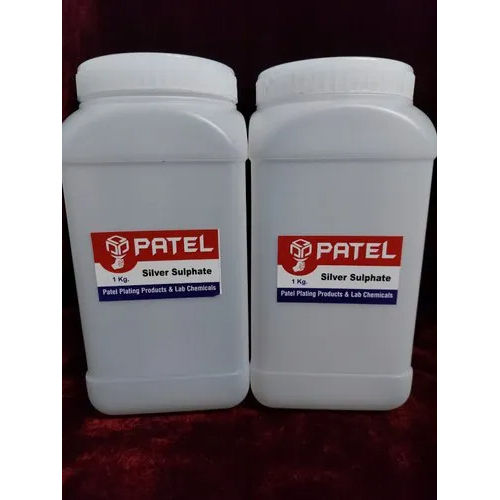
Extra Pure Silver Sulphate Powder
Price 65000 INR / Kilograms
Minimum Order Quantity : 25 Kilograms
Storage : Room Temperature
Application : Industrial
Product Type : Extra Pure Silver Sulphate Powder
Purity : 99.9%
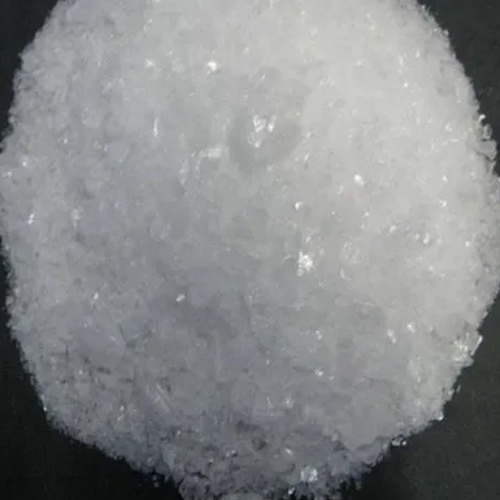
Silver Potassium Cyanide Powder
Price 35500 INR / Kilograms
Minimum Order Quantity : 25 Kilograms
Storage : Room Temperature
Application : Industrial
Product Type : Silver Potassium Cyanide Powder
Purity : 99.9%
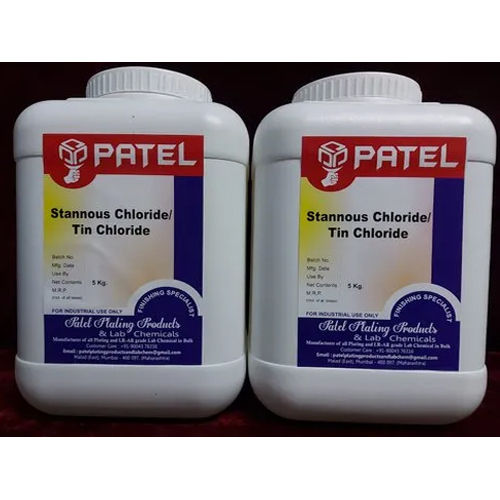
Laboratory Stannous Chloride Powder
Price 2300 INR / Kilograms
Minimum Order Quantity : 25 Kilograms
Storage : Room Temperature
Application : Industrial
Product Type : Laboratory Stannous Chloride Powder
Purity : 99.9%

Contact Details
AR SURFINN TECHNOLOGIEES AND CHEMICALS
manufacturer of all painting chemicals and basic metal salts
- B 704, Riviera Chs Ltd, Lokhandwala Complex, Akurli Road, Kandivali East,Mumbai - 400101, Maharashtra, India
- Phone :08071792371

 Send Inquiry
Developed and Managed by Infocom Network Private Limited.
